Travel Guide
Why Rishikesh is the Yoga Capital of the World
Explore the history, spirituality, and natural beauty that make Rishikesh the undisputed global center for yoga and teacher training.
🇮🇳 INDIA'S FIRST YOGA SCHOOL OFFERING SAME FEES FOR INDIAN & INTERNATIONAL STUDENTS. Enroll Now X
The benefits of pranayama have been recognized by yogis for thousands of years, and modern science is finally catching up. Pranayama breathing techniques are among the most powerful yet accessible practices in the entire yoga tradition. Whether you are a seasoned practitioner or completely new to yoga, learning to control your breath can profoundly transform your physical health, mental clarity, and emotional well-being.
In a world filled with chronic stress, shallow breathing, and constant mental stimulation, pranayama offers a direct path back to balance. Research published in journals such as the International Journal of Yoga and the Journal of Clinical Psychology has confirmed what ancient yogic texts have taught for millennia: conscious breathing exercises can reduce anxiety, lower blood pressure, sharpen focus, and strengthen immunity.
In this comprehensive guide, we explore 10 science-backed reasons to make pranayama a part of your daily routine, introduce the most effective yoga breathing exercises for beginners, and share practical tips to help you start your own practice today.
Pranayama is the ancient yogic science of breath regulation. The word comes from two Sanskrit roots: prana, meaning "life force" or "vital energy," and ayama, meaning "extension" or "control." Together, pranayama translates to "the extension of life force" through deliberate control of the breath.
In the yogic tradition, prana is far more than just the air we inhale. It is the subtle energy that pervades all living things, flowing through channels called nadis and concentrated in energy centers known as chakras. When prana flows freely and abundantly, we experience vibrant health, mental clarity, and emotional stability. When it becomes blocked or depleted, illness, fatigue, and mental fog can follow.
Pranayama holds a central place in classical yoga philosophy. In Patanjali's Yoga Sutras, it is the fourth of the eight limbs (Ashtanga) of yoga, placed after the ethical guidelines (Yama and Niyama) and physical postures (Asana), and before the internal practices of sense withdrawal (Pratyahara), concentration (Dharana), meditation (Dhyana), and absorption (Samadhi). This positioning underscores pranayama's role as the bridge between the external, physical practices and the internal, meditative ones.
Ancient texts such as the Hatha Yoga Pradipika and the Shiva Samhita describe dozens of pranayama techniques, each with specific effects on the body and mind. Today, these practices are taught worldwide, and a growing body of scientific research validates their profound health benefits.
From calming anxiety to boosting your immune system, the pranayama health benefits are wide-ranging and well-documented. Here are ten compelling, science-backed reasons to incorporate breathing exercises into your daily yoga practice.
One of the most well-known benefits of pranayama is its remarkable ability to reduce stress and anxiety. Slow, rhythmic breathing techniques activate the parasympathetic nervous system, often called the "rest and digest" response. This counteracts the fight-or-flight stress response driven by the sympathetic nervous system.
When you practice techniques like Nadi Shodhana (alternate nostril breathing) or deep diaphragmatic breathing, your vagus nerve is stimulated, signaling the brain to lower cortisol production. A 2019 study published in Frontiers in Human Neuroscience found that just 20 minutes of slow pranayama breathing significantly reduced cortisol levels and subjective anxiety scores in participants. Over time, regular pranayama practice rewires the nervous system's default stress response, helping you remain calmer in challenging situations.
Pranayama breathing techniques directly strengthen the respiratory system. Practices like Bhastrika (bellows breath) and full yogic breathing engage the diaphragm, intercostal muscles, and accessory respiratory muscles in ways that normal shallow breathing never does.
Research from the Indian Journal of Physiology and Pharmacology has demonstrated that regular pranayama practice increases vital lung capacity, forced expiratory volume, and peak expiratory flow rate. These improvements are particularly meaningful for people with asthma, chronic bronchitis, or those recovering from respiratory infections. By training the lungs to expand more fully and the breathing muscles to work more efficiently, pranayama creates a foundation of respiratory resilience that supports overall health.
Controlled breathing exercises flood the brain with oxygen-rich blood, sharpening cognitive function and mental clarity. Specific techniques such as Kapalbhati (skull shining breath) and Bhramari (bee breath) have been shown to increase alertness and improve sustained attention.
A study in the Journal of Alternative and Complementary Medicine found that participants who practiced pranayama for eight weeks showed significant improvements in attention, processing speed, and working memory compared to a control group. The mechanism is straightforward: pranayama increases cerebral blood flow, optimizes the oxygen-to-carbon-dioxide ratio in the blood, and activates the prefrontal cortex, the brain region responsible for executive function and decision-making.
Hypertension is one of the leading risk factors for cardiovascular disease worldwide, and yoga breathing exercises offer a natural, drug-free approach to managing it. Studies published in the Journal of Hypertension and Evidence-Based Complementary and Alternative Medicine have consistently shown that regular pranayama practice leads to clinically significant reductions in both systolic and diastolic blood pressure.
Slow-paced breathing techniques, particularly Nadi Shodhana and Anulom Vilom, reduce sympathetic nervous system activity and improve baroreflex sensitivity, which is the body's mechanism for regulating blood pressure moment to moment. For individuals with mild to moderate hypertension, adding 15 to 20 minutes of daily pranayama may complement medical treatment and reduce dependence on medication, though always consult a healthcare provider before making changes to any treatment plan.
Your breath is more connected to your immune health than you might realize. Pranayama practices improve lymphatic circulation, which is the body's primary system for transporting immune cells and filtering out pathogens. Unlike the cardiovascular system, which has the heart as a pump, the lymphatic system relies largely on muscular movement and breathing to function effectively.
Deep diaphragmatic breathing creates a pumping action that moves lymph through the body more efficiently. Research published in PLOS ONE has shown that yogic breathing practices increase the activity of natural killer cells, boost immunoglobulin levels, and reduce inflammatory markers like C-reactive protein. These findings suggest that pranayama strengthens both the innate and adaptive branches of the immune system, helping the body resist infections and recover faster from illness.
If you struggle with insomnia or restless sleep, pranayama may be the remedy you have been searching for. Calming breathing exercises practiced before bed activate the parasympathetic nervous system, slow the heart rate, and quiet the mind, creating ideal conditions for deep, restorative sleep.
Bhramari pranayama (bee breath) is particularly effective for sleep preparation. The humming vibration produced during exhalation stimulates the vagus nerve and produces a meditative state that eases the transition into sleep. A clinical trial published in the International Journal of Yoga found that participants who practiced Bhramari and Nadi Shodhana for six weeks reported significant improvements in sleep onset latency, sleep duration, and overall sleep quality. Unlike pharmaceutical sleep aids, pranayama carries no risk of dependency or side effects.
Digestive health is deeply connected to the autonomic nervous system, and specific pranayama techniques can directly stimulate and improve digestive function. Kapalbhati pranayama, with its rapid, forceful exhalations, creates rhythmic contractions of the abdominal muscles that massage the internal organs, including the stomach, liver, intestines, and pancreas.
Agni Sara, another traditional yogic breathing practice, involves repeatedly drawing the abdomen in and releasing it, stoking the agni (digestive fire) that Ayurveda considers essential for proper digestion and metabolism. Regular practice of these techniques helps alleviate bloating, constipation, and indigestion by improving peristalsis and increasing blood flow to the digestive organs. The stress-reducing effects of pranayama also play a role, since chronic stress is a major contributor to digestive disorders such as irritable bowel syndrome.
Pranayama is a powerful tool for emotional regulation. Breathing exercises influence the amygdala, the brain's emotional processing center, and the prefrontal cortex, which governs rational thought and impulse control. By strengthening the connection between these two regions, pranayama helps you respond to emotional triggers with greater awareness and composure rather than reacting impulsively.
Research from the Boston University School of Medicine has shown that yogic breathing practices increase levels of gamma-aminobutyric acid (GABA), a neurotransmitter that promotes calmness and reduces anxiety. Low GABA levels are associated with depression and anxiety disorders. By naturally boosting GABA through breathing exercises, pranayama offers a complementary approach to managing mood imbalances. Many practitioners report feeling more emotionally resilient, less reactive to daily frustrations, and more connected to a baseline sense of peace.
Feeling tired and sluggish is often not about a lack of sleep but rather a lack of optimal oxygenation. Energizing pranayama techniques such as Kapalbhati, Bhastrika, and Surya Bhedana (right nostril breathing) rapidly increase oxygen levels in the bloodstream, stimulate the sympathetic nervous system in a controlled way, and energize every cell in the body.
At the cellular level, oxygen is the key ingredient for mitochondrial energy production. When you breathe shallowly, as most people habitually do, your cells receive suboptimal oxygen, leading to fatigue, brain fog, and reduced physical performance. Pranayama teaches the body to breathe more efficiently, ensuring that oxygen reaches even the most peripheral tissues. Many practitioners find that a 10-minute morning pranayama session provides sustained energy throughout the day, far more effectively than caffeine and without the crash that follows.
In the classical yoga tradition, pranayama serves as the essential bridge between the physical practice of asana and the internal practice of meditation. Without breath awareness, yoga postures become mere exercise, and meditation remains elusive. With pranayama, the body is energized, the mind is focused, and the nervous system is prepared for the deeper states of concentration and absorption that define advanced practice.
Regular pranayama practice lengthens the breath naturally. Where an untrained individual might breathe 15 to 20 times per minute, a dedicated pranayama practitioner may breathe only 4 to 6 times per minute during practice. This slow, deep rhythm creates the physiological conditions for pratyahara (sense withdrawal) and dharana (concentration), making it significantly easier to enter and sustain meditative states. If you are serious about advancing your yoga or meditation practice, pranayama is not optional; it is foundational.
If you are new to pranayama for beginners, the following five techniques are excellent starting points. Each one addresses different needs and can be practiced safely at home with basic guidance.
| Technique | Sanskrit Name | Primary Benefits | Best Time to Practice |
|---|---|---|---|
| Alternate Nostril Breathing | Nadi Shodhana | Balances left and right brain hemispheres, calms the nervous system, reduces anxiety | Morning or before meditation |
| Skull Shining Breath | Kapalbhati | Detoxifying, energizing, strengthens abdominal muscles, improves digestion | Morning on an empty stomach |
| Bee Breath | Bhramari | Deeply calming, reduces anxiety, lowers blood pressure, promotes sleep | Evening or before bed |
| Ocean Breath | Ujjayi | Builds internal heat, improves focus, used throughout Vinyasa and Ashtanga practice | During asana practice |
| Alternate Nostril Purification | Anulom Vilom | Purifies the nadis (energy channels), calms the mind, balances energy flow | Morning or evening |
While most pranayama techniques are safe for healthy adults, certain advanced practices such as Bhastrika (rapid breathing) and extended breath retention (Kumbhaka) should only be learned under the guidance of a qualified yoga teacher. If you have high blood pressure, heart conditions, epilepsy, or are pregnant, consult your healthcare provider before starting any intensive breathing practice.
Beginning a pranayama practice does not require any special equipment, a dedicated yoga studio, or years of experience. It simply requires your willingness to sit quietly and pay attention to your breath. Here are practical tips to help you build a consistent and rewarding practice:
"When the breath wanders, the mind is unsteady, but when the breath is still, so is the mind." — Hatha Yoga Pradipika
At Rudra Yoga Ashram in Rishikesh, India, pranayama is not treated as a supplementary practice but as a core pillar of every yoga teacher training program. Our experienced teachers guide students through the full spectrum of classical pranayama techniques, from foundational practices suitable for complete beginners to advanced methods that deepen your capacity for meditation and self-transformation.
In our 200 Hour Yoga Teacher Training program, you will learn the theory and practice of all major pranayama techniques, including Nadi Shodhana, Kapalbhati, Bhramari, Ujjayi, Bhastrika, Sheetali, Sheetkari, and Surya/Chandra Bhedana. You will understand the physiological mechanisms behind each technique, explore their connections to the subtle energy body, and develop the skills to teach pranayama safely and effectively to your own future students.
Our 300 Hour Yoga Teacher Training takes your pranayama practice to an advanced level, introducing extended breath retention (Kumbhaka), bandha integration, and the relationship between pranayama and the deeper limbs of raja yoga. You will also learn how to design pranayama sequences for specific therapeutic purposes, such as stress management, respiratory health, and emotional balance.
Join Rudra Yoga Ashram in Rishikesh for an immersive yoga teacher training experience. Learn authentic pranayama techniques from experienced Indian yoga masters in the birthplace of yoga.
Enquire on WhatsAppFor beginners, 5 to 10 minutes of daily practice is sufficient to start experiencing the benefits of pranayama. As your comfort and capacity grow, you can gradually extend your sessions to 20 to 30 minutes. Consistency is far more important than duration. Practicing for 10 minutes every day will produce better results than an hour-long session once a week.
Yes, many pranayama techniques are beneficial for people with asthma and other respiratory conditions. Gentle practices like Nadi Shodhana, Bhramari, and deep diaphragmatic breathing can improve lung function and reduce the frequency of asthma episodes. However, avoid aggressive techniques like Bhastrika and Kapalbhati during active asthma flare-ups, and always consult your doctor before starting a new breathing practice if you have a respiratory condition.
While both involve conscious breath control, pranayama is a systematic and structured practice rooted in yogic philosophy. It involves specific techniques with defined ratios of inhalation, retention, and exhalation, often combined with bandhas (energy locks) and mudras (hand gestures). Regular deep breathing is simply breathing more slowly and fully without a specific technique or structure. Pranayama is designed to influence not just the respiratory system but also the subtle energy body and the mind.
Basic techniques like Nadi Shodhana and simple deep breathing can be safely learned from reputable online sources. However, for intermediate and advanced practices such as Bhastrika, Kumbhaka (breath retention), and bandha integration, in-person guidance from a qualified teacher is strongly recommended. Incorrect technique can lead to dizziness, hyperventilation, or anxiety. A teacher training program provides the safest and most comprehensive learning environment.
Many practitioners notice immediate effects after their very first session, such as reduced anxiety, a calmer mind, and a sense of relaxation. Deeper, more lasting benefits like improved sleep, better focus, lower blood pressure, and stronger immunity typically develop over 4 to 8 weeks of consistent daily practice. As with any meaningful discipline, the most profound transformations come with patience and regular dedication.
Rudra Yoga Ashram is a Yoga Alliance certified yoga school located in Rishikesh, India. With a team of experienced Indian yoga masters, the ashram offers authentic yoga teacher training programs that integrate traditional yogic philosophy with modern teaching methodology. Thousands of students from over 60 countries have trained at Rudra Yoga Ashram and gone on to teach yoga worldwide.
Explore the history, spirituality, and natural beauty that make Rishikesh the undisputed global center for yoga and teacher training.
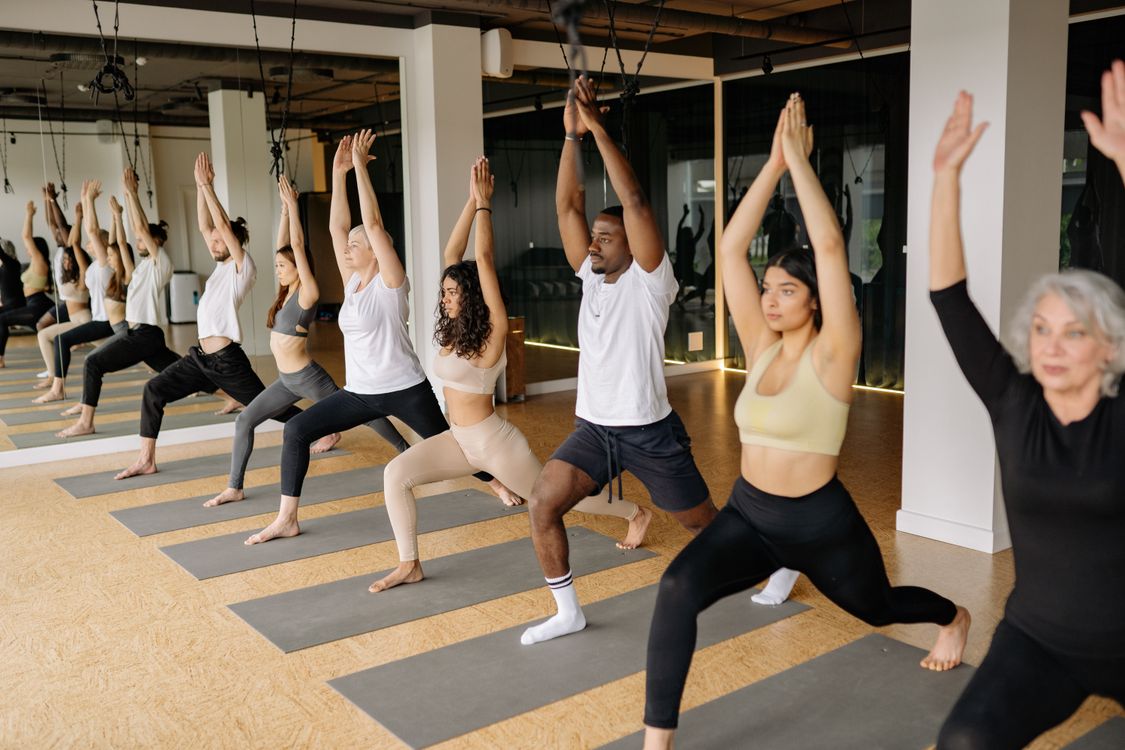
Everything you need to know about aerial yoga, from its origins and health benefits to essential poses and how to get started safely.
Plan your perfect yoga retreat in Rishikesh with this comprehensive guide covering best times, accommodation, costs, and what to expect.
